Norway uses two personal identification numbers. A fødselsnummer, usually called a national identity number in English, is associated with being registered as resident. A D number is for people who need a Norwegian identifier but do not meet the conditions for a national identity number.
Neither number is an immigration permit, and a D number is not simply an application you submit because a website asks for one.
Sources: Skatteetaten — identification numbers and electronic ID; Skatteetaten — D numbers; Skatteetaten — moving to Norway; Norge.no — logging in to public services.
What decides which number you receive?
A national identity number is issued to people registered as resident in Norway, as well as Norwegian citizens and people born in Norway under the applicable rules. For a newcomer, registration as resident normally turns on an intended stay of at least six consecutive months and lawful residence, but the reporting process varies by residence route.
A D number is used when a foreign citizen needs an identifier without meeting the conditions for a national identity number. Common reasons include tax, temporary work, benefits, a bank relationship or ownership of property.
Your expected length of stay matters, but it is not the only factor. UDI decides immigration permission. The National Population Register decides how you are registered.
You usually cannot request a D number yourself
An authorised enterprise or public authority requests it because it needs to identify you. Skatteetaten may request one through the tax card process. NAV, a bank and several other specified bodies can also request one for defined purposes.
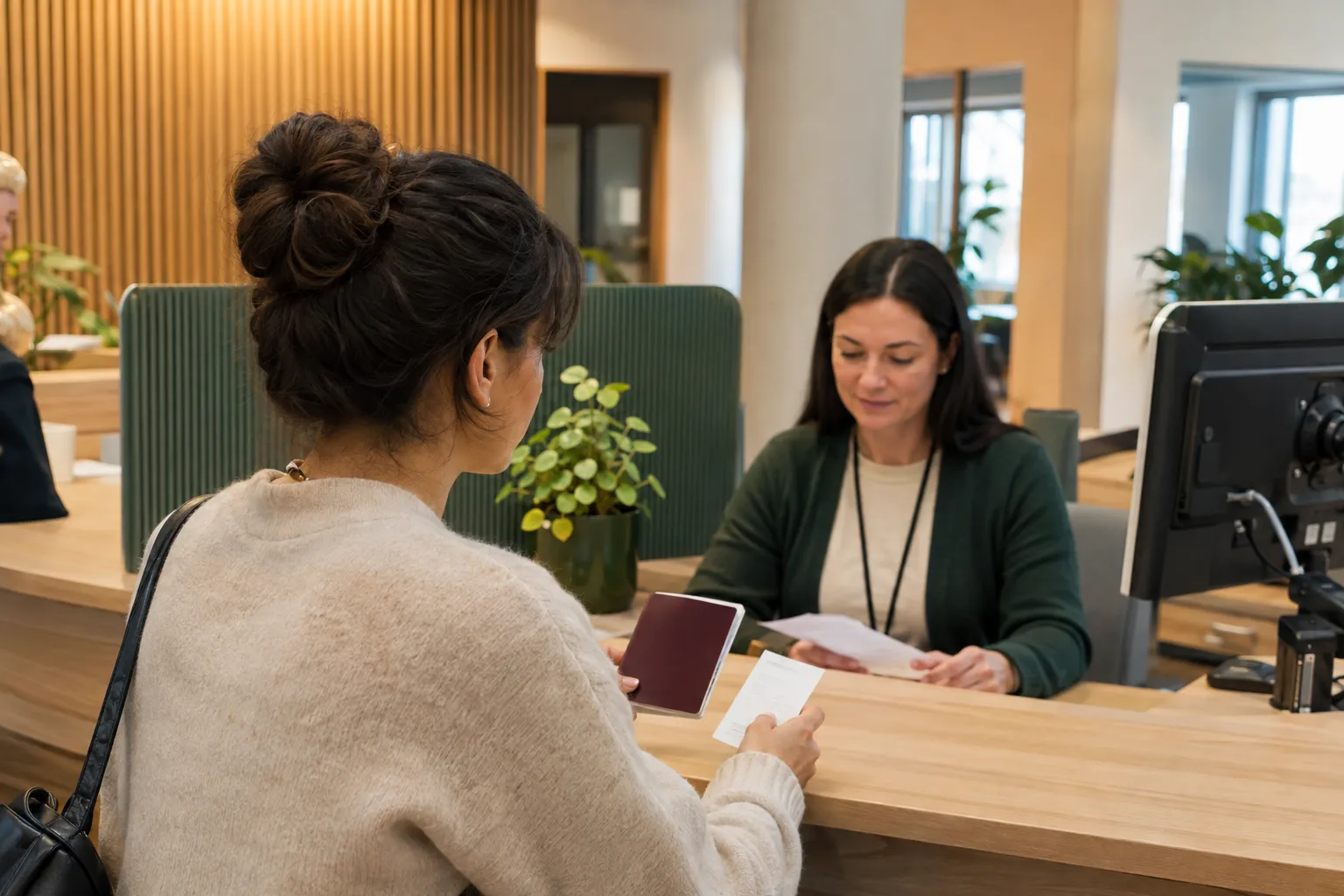
You may need to provide a certified identity document or attend an identity check. Follow the instructions from the organisation requesting the number rather than trying to create parallel applications.
A D number is useful, but it does not create residence rights
Both types are eleven digit identifiers and can be used in public and private systems. A D number can support a tax card, bank relationship and electronic ID. It does not make you registered as resident, extend a residence permit or automatically give every right attached to municipal residence.
This distinction is especially visible in healthcare. Registration as resident normally brings the right to a regular GP. Most D number holders do not have that right, although Helsenorge lists specific exceptions and everyone remains entitled to necessary healthcare.
D numbers become inactive after five years
Five years after assignment, a D number receives inactive status. It is not deleted and can still be used in many situations, but an organisation may require an active status. An authorised organisation can request reactivation, or the holder can book an ID check after the number has become inactive.
Keep the postal address connected to the number current. Official letters and activation information can otherwise go to the wrong place.
Identification number and electronic ID are different
The number identifies you in Norwegian registers. An electronic ID proves online that you are that person. MinID, BankID, Buypass and Commfides are different electronic IDs with different assurance levels and access.
If you change from a D number to a national identity number, Norge.no says you must order a new electronic ID because the old number can no longer be used for login. The BankID and electronic ID guide explains the practical sequence.
Use the first 30 days checklist to identify whether your arrival is registered automatically or whether you must report the move yourself.